
For many Americans dreaming of retirement in the Philippines, the first questions are usually about money, lifestyle, and where to live. But one of the most important questions comes shortly after:
“What happens if I get sick?”
Healthcare is a major factor when deciding whether to retire overseas. The good news is that many foreign retirees living in the Philippines find quality medical care available at a fraction of the cost compared to the United States.
However, healthcare in the Philippines is different, and understanding those differences before you arrive can help you make better decisions.
Is Healthcare Good in the Philippines?
The answer depends largely on where you choose to live.
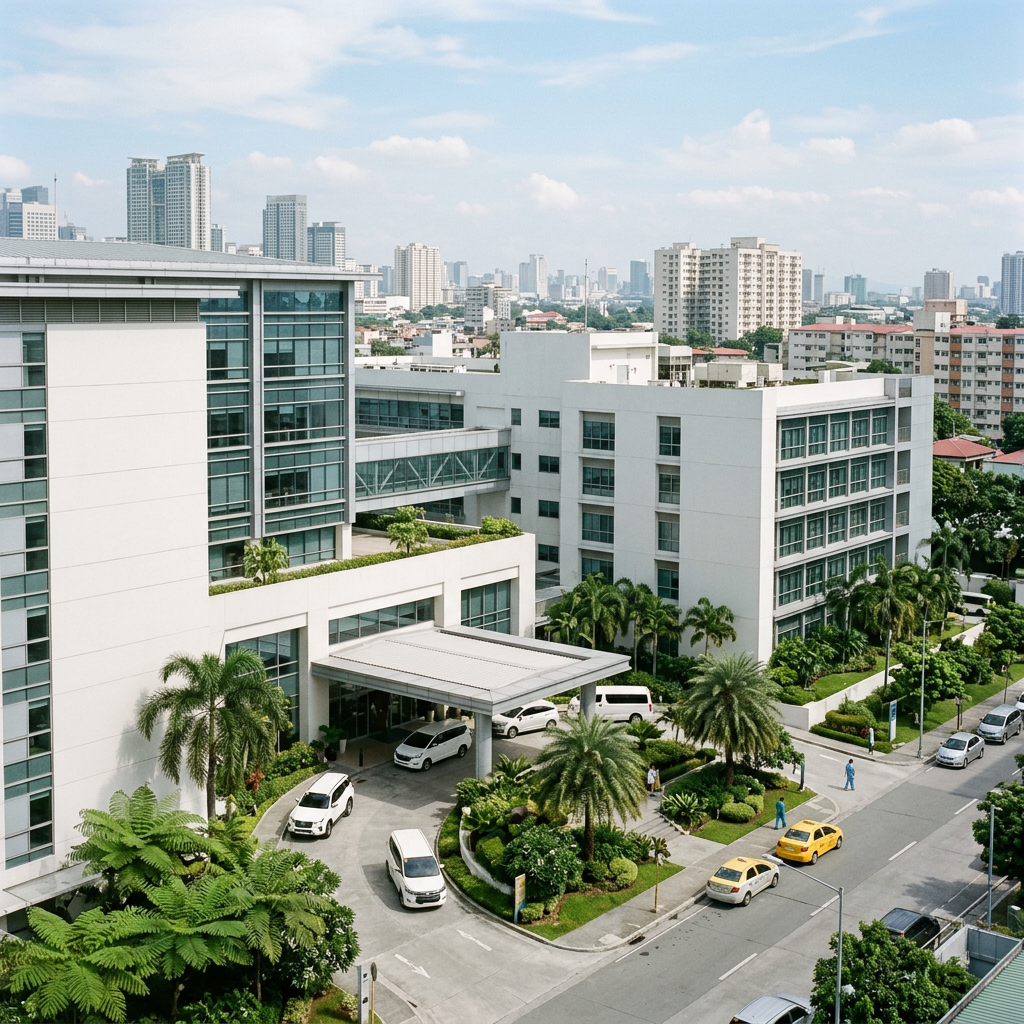
Major cities in the Philippines have modern hospitals, experienced doctors, and specialists who provide high-quality care. Many doctors speak excellent English, and some have trained internationally.
Cities with strong healthcare options include:
- Manila
- Cebu City
- Davao City
- Iloilo City
Large private hospitals often provide a level of care that surprises many first-time visitors. Facilities can include modern equipment, specialty departments, private rooms, and doctors experienced with international patients.
However, healthcare access changes dramatically in smaller towns, rural provinces, and remote islands. While basic medical care may be available, advanced treatment may require traveling to a larger city.
Choosing where you live should include asking:
“Where is the nearest quality hospital?”
Not just:
“How close am I to the beach?”
Public vs Private Healthcare
The Philippines has both public and private healthcare systems.
Public Healthcare
Public hospitals provide important medical services for millions of Filipinos. Costs are generally much lower than private hospitals, but facilities may experience:
- Longer waiting times
- Crowding
- Fewer amenities
Private Healthcare
Most foreign retirees choose private hospitals and clinics because they typically offer:
- Shorter wait times
- More comfortable facilities
- Easier appointment scheduling
- More specialists available
Even private healthcare costs are often significantly lower than what Americans are used to paying.
How Much Does Healthcare Cost?
Prices vary depending on location, hospital, and treatment, but many retirees find everyday healthcare expenses manageable.
Examples:
- Doctor visits may cost a fraction of typical U.S. prices
- Prescription medications are often less expensive
- Basic lab work and routine testing can be affordable
- Dental care is usually much cheaper
Because costs are lower, some retirees choose to pay for routine care out-of-pocket while maintaining insurance for larger emergencies.
Can Americans Use Medicare in the Philippines?
This is one of the biggest surprises for many retirees:
Traditional U.S. Medicare generally does not cover medical treatment received in the Philippines.
If you rely only on Medicare, you will usually need to return to the United States to use those benefits.
Before moving, retirees should think carefully about:
- Keeping Medicare coverage active
- Buying international health insurance
- Self-insuring with savings
- Planning for emergency situations
Everyone’s financial and health situation is different, so having a plan before moving is important.
Health Insurance Options for Expats
Foreign retirees generally use a few different strategies:
International Health Insurance
These plans are designed for people living abroad and may provide coverage in multiple countries.
They can be helpful for retirees who want protection against expensive medical events.
Local Insurance Plans
Some retirees purchase insurance through companies operating in the Philippines.
Coverage, age limits, and benefits vary, so compare carefully.
Paying Cash
Because healthcare prices are often lower, some retirees pay directly for smaller expenses and keep emergency savings available.
Many retirees use a combination approach.
Prescription Medications
If you take regular medication, research availability before moving.
Before leaving the U.S.:
- Make a list of all prescriptions
- Learn the generic names
- Check availability in the Philippines
- Bring copies of medical records
Many common medications are available, but specific brands or dosages may differ.
Emergency Planning
Retirement overseas requires thinking ahead.
Before choosing your new home, consider:
- How close is the nearest hospital?
- Is emergency transportation available?
- Are specialists nearby?
- Could you travel if major treatment was needed?
A remote tropical island may be beautiful, but it may not be ideal if you require frequent medical care.
Staying Healthy in Retirement
One advantage many retirees discover is that life in the Philippines can encourage healthier habits.
Many people find themselves:
- Walking more
- Eating more fresh foods
- Spending more time outdoors
- Having a less stressful lifestyle
- Becoming more socially active
Good healthcare matters, but daily lifestyle choices matter too.
Final Thoughts: Should Healthcare Stop You From Retiring in the Philippines?
For most healthy retirees, healthcare should not prevent you from considering the Philippines.
The country offers affordable care, English-speaking medical professionals, and quality hospitals in major cities.
The key is preparation.
Choose your location carefully, understand your insurance options, maintain emergency savings, and create a healthcare plan before you move.
Retiring overseas is not only about finding paradise — it is about creating a lifestyle that is enjoyable, affordable, and sustainable for years to come.
With proper planning, the Philippines can offer American retirees a comfortable lifestyle with access to healthcare that fits their needs and budget.
Leave a Reply