
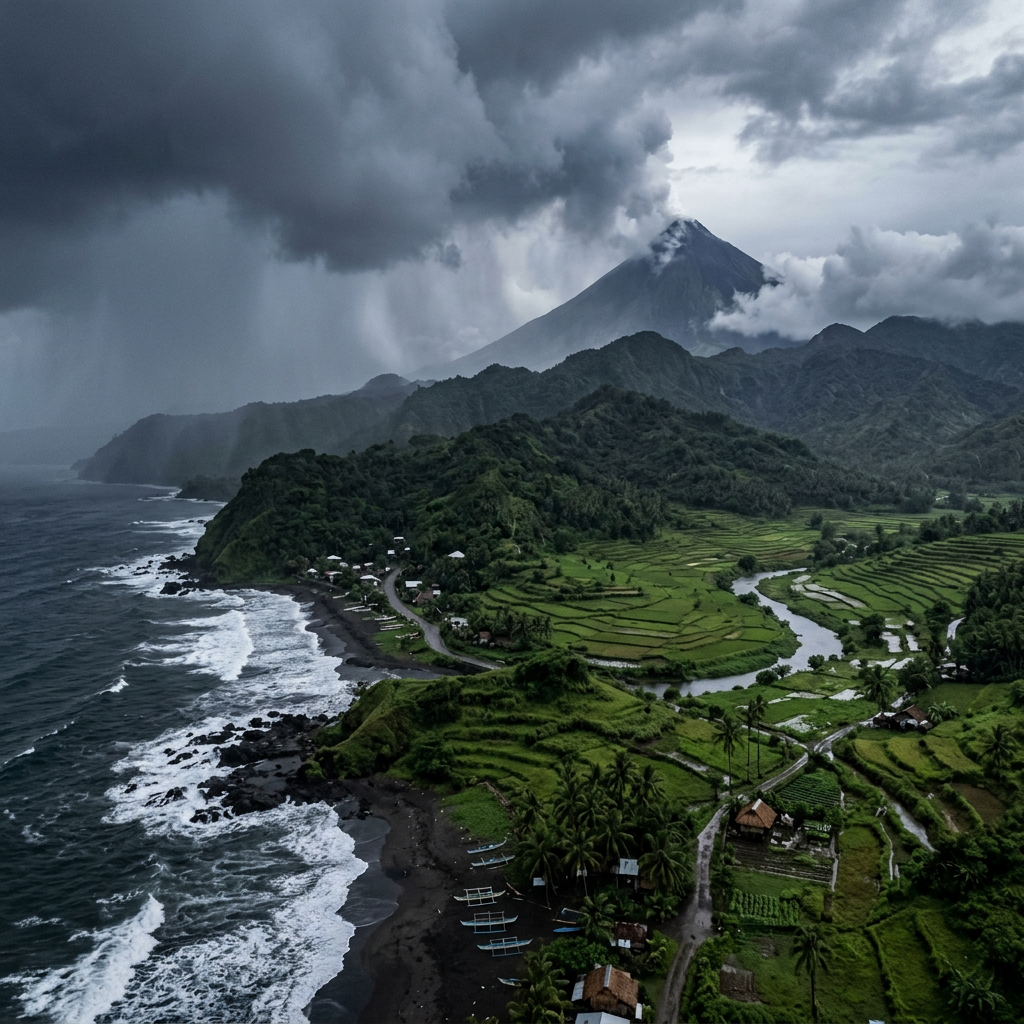
The Philippines is known for its beautiful beaches, tropical climate, and year-round warm weather. However, anyone considering a move to the country should also understand the natural forces that shape life across its 7,000-plus islands. From typhoons and heavy rains to earthquakes and volcanic activity, the Philippines experiences a variety of natural events that are important to understand before relocating.
Recent Earthquake Highlights the Importance of Preparedness
On June 8, 2026, a powerful magnitude 7.8 earthquake struck offshore near Sarangani Province in southern Mindanao. The earthquake caused significant damage across parts of Mindanao, including General Santos City, resulting in casualties, injuries, building collapses, infrastructure damage, and temporary tsunami warnings throughout the region. Numerous aftershocks followed, reminding residents that the Philippines sits in one of the world’s most active seismic zones.
While major earthquakes of this size are relatively uncommon, smaller earthquakes occur regularly throughout the country. Most cause little or no damage, but they serve as a reminder that preparedness is an important part of living in the Philippines.
Why Earthquakes Occur So Frequently
The Philippines is located along the Pacific Ring of Fire, a region where several tectonic plates meet. This makes the country one of the most seismically active areas in the world. Earthquakes can occur almost anywhere in the archipelago, although certain regions such as Mindanao, Eastern Visayas, and parts of Luzon experience stronger activity more frequently.
Modern building codes have improved significantly over the years, particularly in major cities such as Cebu, Davao, Clark, Subic, and Metro Manila. However, retirees should still evaluate housing carefully and ask about construction quality when renting or purchasing a home.
Understanding the Philippine Climate
The Philippines enjoys a tropical climate with temperatures typically ranging from 75°F to 95°F (24°C to 35°C) throughout the year. Unlike many Western countries, there are generally only two seasons:
Dry Season (November to May)
The dry season is the most popular time for tourism and outdoor activities. During this period, residents enjoy sunny weather, lower humidity, and calmer seas. December through February are often considered the most comfortable months due to slightly cooler temperatures.
Rainy Season (June to October)
The rainy season brings increased humidity, afternoon thunderstorms, and occasional tropical storms. Rainfall varies greatly depending on location. Some regions may experience brief daily showers, while others can receive prolonged periods of heavy rain.
Typhoons: A Fact of Life
Typhoons are among the most significant weather events affecting the Philippines. The country experiences approximately 20 tropical storms or typhoons each year, although only a portion make direct landfall. Some storms are minor, while others can cause flooding, power outages, transportation disruptions, and property damage.
The regions most commonly affected include:
- Eastern Luzon
- Bicol Region
- Samar
- Leyte
- Northern Luzon
Areas such as Davao, General Santos, and portions of Mindanao generally experience fewer direct typhoon impacts than northern regions, making them attractive to some retirees.
Flooding and Heavy Rain
Flooding can occur in many parts of the Philippines, especially in low-lying urban areas. Prospective retirees should research flood history before choosing a home. During the rainy season, some neighborhoods may experience temporary street flooding, while others remain largely unaffected due to elevation and drainage systems.
Cities such as Baguio, Tagaytay, and elevated areas of Cebu often experience fewer flooding issues than some coastal or low-lying communities.
Volcanic Activity
The Philippines is home to more than 20 active volcanoes, including well-known landmarks such as Mayon Volcano, Taal Volcano, and Mount Pinatubo. Although volcanic eruptions are relatively infrequent, they can impact air travel, agriculture, and nearby communities when they occur.
Most retirees will never experience a major volcanic event directly, but understanding regional risks is still advisable when selecting a retirement destination.
How Retirees Can Prepare
Fortunately, preparing for natural disasters is relatively straightforward:
- Maintain an emergency supply kit.
- Keep flashlights and batteries available.
- Store important documents in waterproof containers.
- Have backup power banks for phones and electronics.
- Know local evacuation routes.
- Follow advisories from local authorities and PHIVOLCS.
- Maintain adequate property and health insurance.
Most long-term residents find that natural events become manageable once they understand local conditions and prepare accordingly.
Final Thoughts
Millions of Filipinos successfully live with the realities of earthquakes, typhoons, and tropical weather every year. While these risks should not be ignored, they are part of life in a country blessed with stunning natural beauty, warm temperatures, and some of the world’s friendliest people.
For most retirees and expats, the key is not avoiding the Philippines—it is choosing the right location, understanding local conditions, and preparing appropriately. With proper planning, the Philippines can offer an enjoyable, affordable, and rewarding lifestyle despite the occasional challenges posed by nature.