
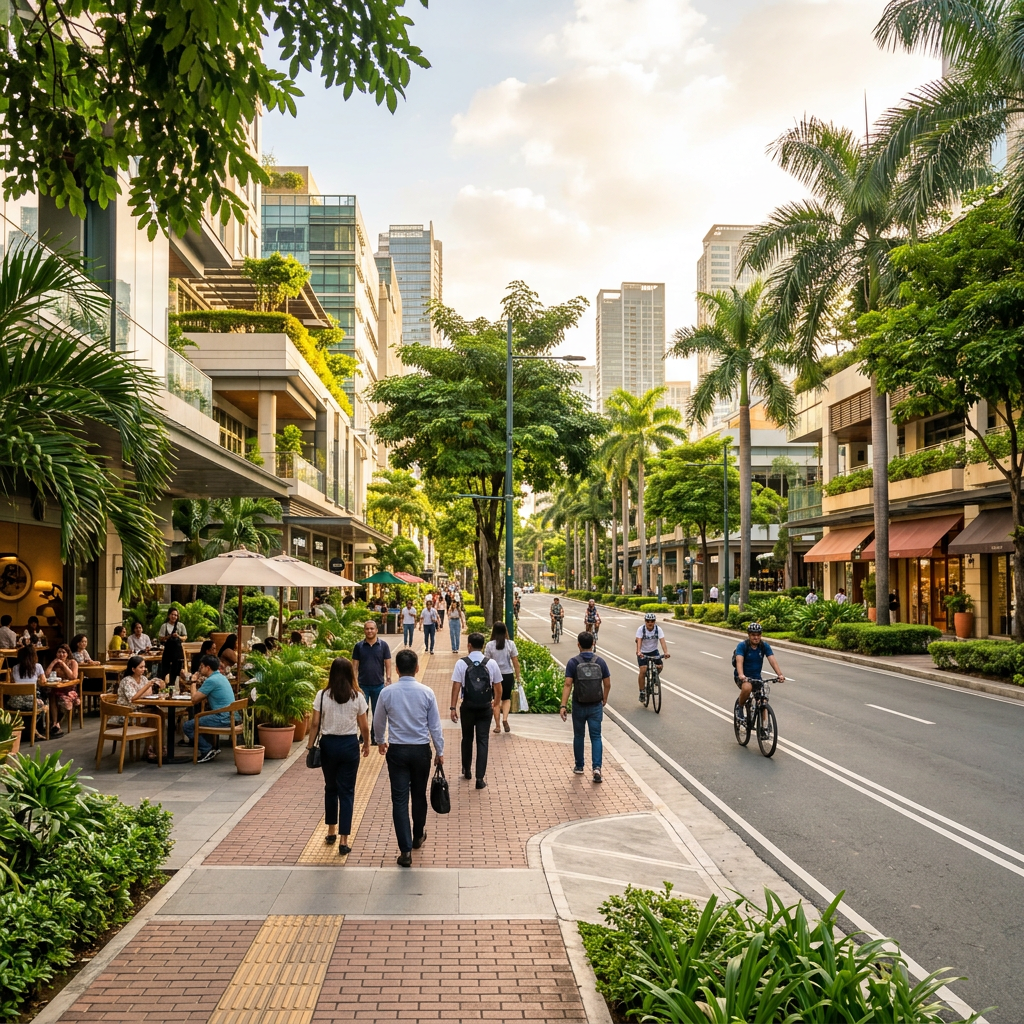
One of the first questions many future expats ask before moving to the Philippines is:
“Will I need a car?”
For many retirees and expats, the answer is surprisingly simple: probably not.
While owning a vehicle may be necessary in some parts of the United States, Canada, or Europe, many foreigners living in the Philippines discover that they can live comfortably without one. Between affordable public transportation, ride-hailing services, walkable neighborhoods, and inexpensive taxis, going car-free can actually save money and reduce stress.
Of course, some cities are much better than others when it comes to living without a car.
Why Many Expats Choose Not to Own a Car
Owning a vehicle in the Philippines comes with costs and challenges:
- Traffic congestion
- Parking limitations
- Insurance costs
- Vehicle maintenance
- Registration fees
- Fuel expenses
Many retirees find it easier and more economical to rely on:
- Grab
- Taxis
- Jeepneys
- Tricycles
- Buses
- Walking
For many expats, transportation costs are significantly lower than maintaining a personal vehicle.
1. Bonifacio Global City (BGC)
Car-Free Score: 10/10
BGC is arguably the most walkable community in the Philippines.
Residents can often walk to:
- Restaurants
- Grocery stores
- Shopping centers
- Medical clinics
- Pharmacies
- Coffee shops
- Parks
Wide sidewalks, modern infrastructure, and excellent security make BGC feel similar to many Western cities.
Pros:
✓ Extremely walkable
✓ Grab readily available
✓ Excellent healthcare nearby
✓ Modern infrastructure
Cons:
✗ Higher cost of living
✗ Expensive housing
Best For:
Retirees who want convenience and an urban lifestyle.
2. Makati
Car-Free Score: 9/10
Makati remains one of the most convenient places in the Philippines without owning a vehicle.
Many neighborhoods offer:
- Shopping malls
- Restaurants
- Hospitals
- Entertainment
- Grocery stores
Ride-hailing services are plentiful, and many daily needs are within walking distance.
Pros:
✓ Excellent infrastructure
✓ Major healthcare facilities
✓ Large expat community
✓ Outstanding dining options
Cons:
✗ Traffic outside walkable areas
✗ Higher living costs
Best For:
Expats who enjoy city living and easy access to amenities.
3. Cebu City
Car-Free Score: 8.5/10
Cebu is one of the most popular destinations among foreign retirees.
Transportation options include:
- Grab
- Taxis
- Jeepneys
- Buses
Many retirees living near IT Park or Cebu Business Park rarely need a car.
Pros:
✓ International airport
✓ Excellent healthcare
✓ Large expat community
✓ Plenty of transportation options
Cons:
✗ Heavy traffic
Best For:
Retirees wanting big-city conveniences and international access.
4. Iloilo City
Car-Free Score: 8.5/10
Iloilo has quietly become one of the country’s most livable cities.
It offers:
- Moderate traffic
- Good road infrastructure
- Walkable areas
- Modern shopping centers
- Reliable transportation
Many retirees appreciate Iloilo’s balance between convenience and affordability.
Pros:
✓ Lower traffic
✓ Affordable transportation
✓ Excellent healthcare
✓ Relaxed environment
Cons:
✗ Smaller expat community
Best For:
Retirees seeking comfort without big-city congestion.
5. Dumaguete
Car-Free Score: 8/10
Dumaguete’s compact layout makes it extremely easy to navigate.
Many residents use:
- Walking
- Tricycles
- Scooters
- Taxis
Daily errands can often be completed within a few miles.
Pros:
✓ Compact city
✓ Inexpensive transportation
✓ Friendly atmosphere
✓ Large expat community
Cons:
✗ Smaller healthcare system
Best For:
Retirees wanting a slower pace of life.
6. Davao City
Car-Free Score: 8/10
Davao is one of the cleanest and most organized cities in the country.
Transportation options are plentiful, and traffic is generally more manageable than Metro Manila.
Pros:
✓ Good infrastructure
✓ Excellent healthcare
✓ International airport
✓ Lower crime rates
Cons:
✗ Large geographic area
Best For:
Retirees wanting modern conveniences and lower weather risks.
Honorable Mentions
Baguio City
Car-Free Score: 7.5/10
Cool climate and walkable downtown, but steep hills can be challenging.
Tagaytay
Car-Free Score: 7/10
Pleasant weather and good restaurants, although some neighborhoods require transportation.
Puerto Princesa
Car-Free Score: 7/10
Relaxed environment with manageable traffic and affordable transportation.
Should You Own a Car?
For many retirees, owning a vehicle simply isn’t necessary.
You may not need a car if:
✓ You live near shopping areas.
✓ You prefer walking.
✓ You use Grab and taxis.
✓ You want lower monthly expenses.
✓ You dislike driving in traffic.
However, owning a car may make sense if:
- You live in rural areas.
- You travel frequently.
- You have mobility issues.
- You enjoy exploring remote destinations.
Estimated Monthly Transportation Costs Without a Car
BGC: $50-$150
Makati: $75-$150
Iloilo: $40-$100
Dumaguete: $30-$80
Davao: $40-$100
Cebu: $50-$150
These costs are often substantially lower than vehicle ownership expenses in the United States.
Final Thoughts
One of the hidden advantages of retiring in the Philippines is that many cities allow residents to live comfortably without owning a vehicle. Affordable transportation, walkable neighborhoods, and inexpensive ride-hailing services make daily life surprisingly convenient.
For many retirees, going car-free not only saves money but also removes much of the stress associated with maintenance, parking, and traffic.
Top Cities for Living Without a Car
🥇 BGC – 10/10
🥈 Makati – 9/10
🥉 Cebu City – 8.5/10
🏅 Iloilo City – 8.5/10
🏅 Dumaguete – 8/10
🏅 Davao City – 8/10
Bottom Line: Unless you plan to live in a rural area or frequently travel to remote locations, many expats find that life in the Philippines is simpler, cheaper, and more enjoyable without owning a car.
Leave a Reply