
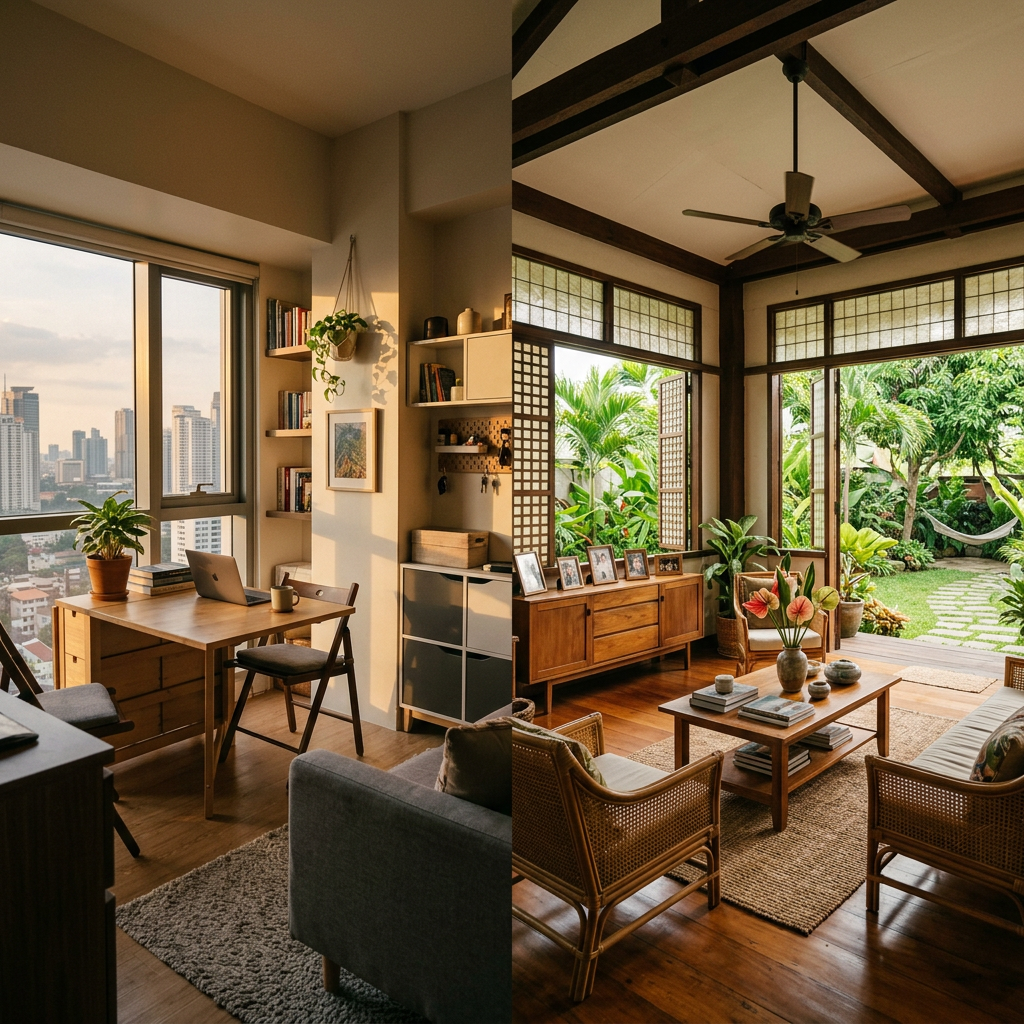
One of the biggest decisions you’ll make after moving to the Philippines is whether to rent or buy a home.
For many Americans, Canadians, Australians, and Europeans, purchasing a home has always been considered a smart investment. However, the rules, costs, and realities of owning property in the Philippines are different from what many foreigners are accustomed to.
The good news is that both renting and buying have advantages. The best choice depends on your retirement goals, budget, and how long you plan to stay.
Before making a major financial commitment, it’s important to understand your options.
Can Foreigners Own Property in the Philippines?
This is one of the most common questions asked by future expats.
The short answer is:
Foreigners generally cannot own land in the Philippines.
However, there are several legal ways foreigners can own or control property.
Foreigners may:
- Purchase condominium units (subject to legal ownership limits within the building)
- Lease land for long periods under Philippine law
- Own homes built on leased land
- Purchase property jointly with a Filipino spouse, although the land ownership rules remain governed by Philippine law
Because property laws can be complex, it’s wise to consult a qualified Philippine attorney or real estate professional before making a purchase.
Why Most Expats Should Rent First
One piece of advice you’ll hear repeatedly from experienced expats is:
Rent before you buy.
Many retirees arrive believing they know exactly where they want to live. Six months later, they often discover another city—or even another island—that better suits their lifestyle.
Renting gives you time to learn:
- The neighborhood
- Traffic patterns
- Weather
- Healthcare access
- Shopping options
- Noise levels
- Local culture
It also allows you to experience daily life before making a long-term financial commitment.
Advantages of Renting
Renting offers flexibility.
Benefits include:
✓ Lower upfront costs
✓ Freedom to relocate
✓ Fewer maintenance responsibilities
✓ Opportunity to explore different cities
✓ Easier budgeting
For retirees still deciding between Cebu, Iloilo, Dumaguete, Davao, or another city, renting is usually the smartest first step.
Advantages of Buying
Buying may make sense if you:
- Plan to stay long-term
- Have thoroughly researched the area
- Prefer stable housing costs
- Want to customize your home
Many foreigners purchase condominium units because they can legally own them while enjoying modern amenities such as:
- Swimming pools
- Fitness centers
- Security
- Backup generators
- Parking
Housing Costs
Rental prices vary considerably depending on location.
Provincial Cities
Studio or One-Bedroom Apartment:
Approximately $250–$500 USD per month
Modern Two-Bedroom Home:
Approximately $500–$900 USD per month
Major Cities
Modern Condominium:
Approximately $700–$1,500+ USD per month
Luxury Condominium:
$2,000 USD per month and above
While major cities offer more amenities, they also come with higher housing costs.
Don’t Forget Additional Expenses
Whether renting or buying, budget for:
- Electricity
- Water
- Internet
- Air conditioning
- Association or condominium fees
- Maintenance
- Insurance
- Furnishings
These costs vary based on location and lifestyle.
Condominiums vs. Houses
Condominiums
Pros:
✓ Security
✓ Modern amenities
✓ Low maintenance
✓ Walkable locations
✓ Popular with expats
Cons:
✗ Monthly association dues
✗ Less living space
✗ HOA rules
✗ Limited customization
Houses
Pros:
✓ More privacy
✓ Larger living areas
✓ Outdoor space
✓ Greater flexibility
Cons:
✗ More maintenance
✗ Yard work
✗ Security responsibilities
✗ Land ownership restrictions for foreigners
Buying a Condominium
Condominiums are often the easiest ownership option for foreign retirees.
Before purchasing, consider:
- Building reputation
- Developer history
- Monthly association fees
- Reserve funds
- Occupancy rates
- Flood history
- Earthquake-resistant construction
- Location near hospitals and shopping
Buying solely because a property seems inexpensive can lead to costly mistakes.
Questions to Ask Before Signing a Lease
- Is the unit furnished?
- Is internet already installed?
- Are pets allowed?
- What utilities are included?
- Is parking available?
- How long is the lease?
- What is the security deposit?
- Who handles maintenance?
Asking these questions up front can prevent misunderstandings later.
Should You Buy Immediately?
For most retirees:
No.
Spend at least six to twelve months exploring the country before making a purchase.
During that time:
Visit nearby cities.
Talk with long-term expats.
Experience both the rainy and dry seasons.
Learn where you truly feel at home.
Many retirees who planned to settle in one city eventually chose another after gaining firsthand experience.
A Practical Strategy
Many successful expats follow this approach:
Year One
- Rent
- Learn the area
- Explore other cities
- Build local relationships
Year Two
If you’re still happy with your location, begin researching condominium purchases or long-term housing options.
This slower approach often results in better decisions and fewer regrets.
Final Thoughts
Finding the right home is one of the most important parts of creating a successful retirement in the Philippines. While owning property can be rewarding, there is no need to rush the decision.
Renting gives you flexibility, allows you to experience different communities, and helps ensure that the city you choose truly fits your lifestyle. Once you’ve spent time living in the Philippines and understand the local market, you’ll be in a much stronger position to decide whether buying is the right move.
For many retirees, the best investment isn’t a home—it’s taking the time to make the right decision.
Renting vs. Buying at a Glance
Rent If You:
✓ Are new to the Philippines
✓ Want flexibility
✓ Plan to explore several cities
✓ Prefer lower upfront costs
✓ Aren’t certain where you’ll settle
Buy If You:
✓ Have lived in the Philippines for at least six to twelve months
✓ Plan to stay long-term
✓ Understand Philippine property laws
✓ Have found the right location
✓ Are financially prepared for ownership
Bottom Line
For most foreign retirees, renting first is the smarter choice. It provides the freedom to explore, reduces financial risk, and allows you to choose a community based on real experience rather than first impressions. Once you’ve found the place that truly feels like home, you can confidently decide whether buying a condominium or continuing to rent best supports your retirement goals.
Leave a Reply