
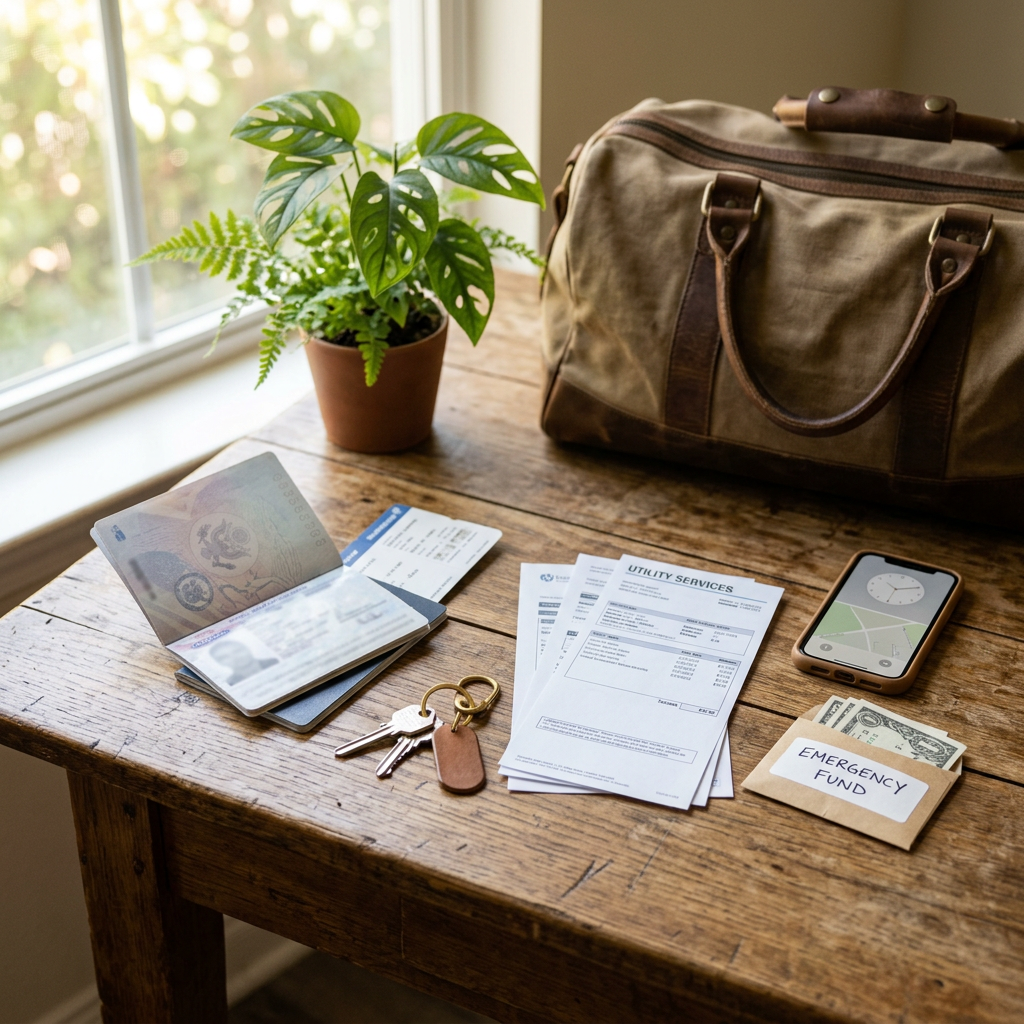
When most people plan their move to the Philippines, they focus on the big expenses.
Plane tickets.
Rent.
Food.
Healthcare.
Those are certainly important, but they’re only part of the picture.
Many first-time expats are surprised by the number of smaller expenses that appear during the first few weeks and months after arriving. Individually, they may not seem like much—but together they can add hundreds or even thousands of dollars to your moving budget.
The good news is that with a little planning, most of these costs can be anticipated.
Here are 15 hidden expenses you should include in your relocation budget.
1. Visa and Immigration Fees
Whether you’re entering as a tourist, applying for a retirement visa, or extending your stay, there will likely be immigration-related fees.
Depending on your situation, these may include:
- Visa extension fees
- Immigration processing fees
- Required identification cards
- Document authentication
- Medical examinations
- Police clearances
Research the visa that best fits your plans and build those costs into your budget before you travel.
2. Airfare and Extra Baggage
Many people budget for their airline ticket but forget about baggage fees.
If you’re relocating rather than vacationing, you may have:
- Two or three checked bags
- Oversized luggage
- Sports equipment
- Musical instruments
- Pet transportation
These additional charges can add up quickly.
Compare airline baggage policies before booking your flight.
3. Temporary Accommodation
Even if you’ve arranged long-term housing, you may still need a hotel, guesthouse, or short-term rental while:
- Viewing apartments
- Waiting for paperwork
- Preparing your rental
- Exploring different neighborhoods
Budget for at least one to two weeks of temporary accommodation, just in case.
4. Rental Deposits
Most landlords require more than just the first month’s rent.
It’s common to pay:
- First month’s rent
- Security deposit
- Advance rent
Depending on the property, this could equal several months of rent due upfront.
Be sure to ask exactly what is required before signing a lease.
5. Furnishing Your New Home
Many rentals are furnished, but “furnished” can mean different things.
You may still need to purchase:
- Kitchen utensils
- Plates and glasses
- Bedding
- Towels
- Small appliances
- Storage bins
- Cleaning supplies
- Curtains
- Lamps
Even small purchases add up when you’re starting from scratch.
6. Utility Deposits and Setup Fees
Some utility providers require deposits or installation fees.
You may need to pay for:
- Electricity connection
- Water service
- Internet installation
- Cable television (if desired)
Ask your landlord what utilities are included before moving in.
7. Internet and Mobile Service
Reliable internet is essential for many retirees and remote workers.
Your first month may include:
- Installation fees
- Modem or router costs
- SIM card purchase
- Mobile data plans
If you plan to work online, research internet availability before choosing where to live.
8. Shipping Personal Belongings
If you’re sending household items from your home country, don’t forget to include:
- Shipping charges
- Customs fees (where applicable)
- Insurance
- Packing materials
- Delivery charges
Sometimes replacing items after arrival is less expensive than shipping them overseas.
Compare both options carefully.
9. Health Insurance
Many retirees assume their existing health coverage will work overseas.
In many cases, it won’t.
Depending on your situation, you may need:
- International health insurance
- Local insurance coverage
- Travel medical insurance
- Emergency evacuation coverage
Don’t wait until after you arrive to explore your options.
10. Setting Up Your Daily Life
Once you move in, you’ll likely make several “small” purchases that are easy to overlook.
Examples include:
- Groceries
- Toiletries
- Household cleaners
- Cooking oil and spices
- Laundry supplies
- Drinking water
- Extension cords
- Power strips
None of these are expensive on their own, but together they can make your first grocery trip surprisingly costly.
11. Banking and Money Transfer Fees
Moving money internationally isn’t always free.
Potential expenses include:
- Wire transfer fees
- Currency conversion charges
- ATM withdrawal fees
- International transaction fees
Using accounts and services with lower international fees can help reduce these ongoing costs.
12. Transportation During Your First Month
Until you’re familiar with your new community, you’ll probably spend more on transportation than expected.
You may use:
- Taxis
- Ride-hailing services
- Ferries
- Domestic flights
- Buses
Exploring different neighborhoods before choosing a permanent home can also increase travel costs.
13. Replacing Things You Didn’t Bring
Almost everyone arrives and realizes they forgot something.
Common replacements include:
- Clothing
- Shoes
- Kitchen tools
- Electronics
- Office supplies
- Hobby equipment
Leaving unnecessary items behind is usually the right decision—but set aside a budget for replacing essentials.
14. Building an Emergency Fund
One expense people often forget isn’t really an expense—it’s protection.
Unexpected situations happen.
Examples include:
- Emergency travel home
- Medical emergencies
- Home repairs
- Visa delays
- Family emergencies
- Natural disasters
Many financial advisors recommend keeping several months of living expenses available in an emergency fund.
Having that cushion can make unexpected events much less stressful.
15. Exploring Your New Home
This may not sound like a “hidden cost,” but it’s one you’ll probably be happy to pay.
After all, you didn’t move to the Philippines just to stay inside your apartment.
You’ll likely want to:
- Visit nearby islands
- Explore local attractions
- Try new restaurants
- Take weekend trips
- Experience festivals
- Discover beaches and mountains
Set aside a monthly “adventure budget.”
Exploring your new country is one of the greatest rewards of living in the Philippines.
Sample First-Month Budget
Every person’s situation is different, but here’s an example of expenses beyond your regular monthly living costs:
| Expense | Estimated Cost (USD) |
|---|---|
| Airline baggage fees | $100–$300 |
| Temporary accommodation | $300–$1,000 |
| Rental deposit & advance rent | $500–$2,000+ |
| Household essentials | $200–$600 |
| Internet & mobile setup | $50–$150 |
| Transportation | $100–$300 |
| Visa and immigration fees | Varies |
| Emergency fund | Personal goal |
Your actual costs will depend on your destination, lifestyle, and visa type.
How to Avoid Budget Surprises
Here are a few simple ways to reduce unexpected expenses:
- Visit before moving permanently.
- Keep a relocation fund separate from your monthly living budget.
- Get quotes before shipping belongings.
- Rent before buying.
- Research neighborhoods carefully.
- Keep digital and paper copies of important documents.
- Build flexibility into your budget for the first three months.
Preparation is one of the best investments you can make.
Final Thoughts
Moving to the Philippines can be one of the most exciting decisions you’ll ever make.
With its welcoming people, beautiful scenery, lower cost of living, and relaxed lifestyle, it’s easy to understand why so many foreigners choose to call it home.
But a successful move isn’t just about dreaming—it’s about planning.
By budgeting for the hidden costs before you leave, you’ll reduce stress, avoid unpleasant surprises, and give yourself the freedom to enjoy your new adventure from day one.
Remember, the goal isn’t simply to arrive in the Philippines.
It’s to arrive prepared.
That preparation can make all the difference between a stressful transition and a smooth start to your new life.
Leave a Reply