
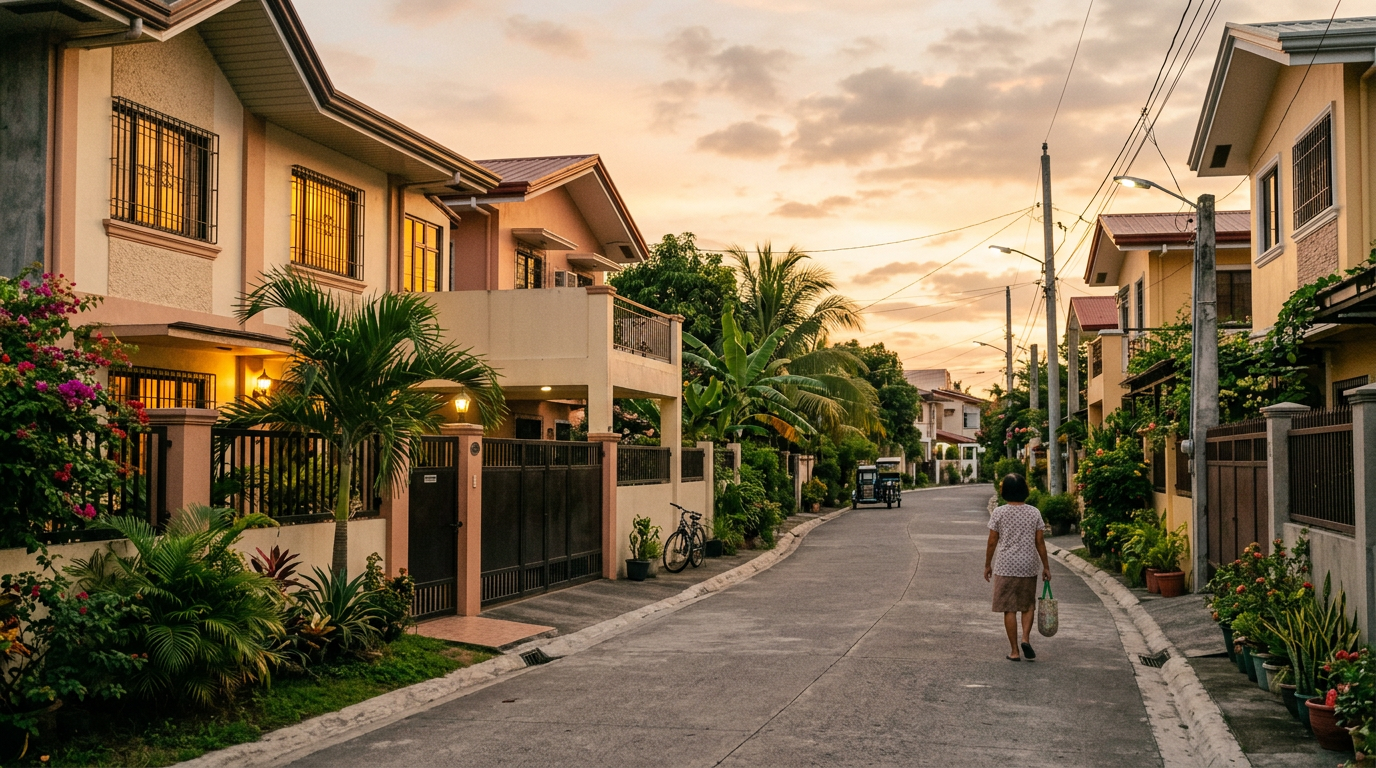
One of the first questions many people ask before moving to the Philippines is simple:
“Is it safe?”
The honest answer is the same answer you would give about almost any country:
It depends on where you live, how you live, and the choices you make every day.
Millions of Filipinos go about their daily lives safely, and tens of thousands of foreign retirees have chosen to make the Philippines their permanent home. Like any country, however, there are places that are safer than others, common scams to be aware of, and practical precautions that can greatly reduce your risk.
The good news is that most retirees who use common sense, choose their location carefully, and respect local customs find the Philippines to be a friendly and enjoyable place to live.
This guide will help you understand what to expect.
Is the Philippines Dangerous?
News headlines often focus on crime, political unrest, or natural disasters because those events attract attention.
They rarely show retirees enjoying coffee with friends, walking along the beach, shopping at local markets, or having dinner with neighbors.
The reality is that the Philippines is a country of more than 7,000 islands and over 100 million people. Safety varies from one province, city, and even neighborhood to another.
Popular retirement areas such as Cebu, Dumaguete, Iloilo, Bohol, Clark, Subic, and many parts of Metro Manila generally have established expat communities and are accustomed to foreign visitors and residents.
As with any move, researching your specific destination is more important than judging the country as a whole.
Choose the Right Community
One of the biggest factors affecting your safety is where you decide to live.
Before signing a lease, spend time exploring the neighborhood during:
- Morning
- Afternoon
- Evening
- Weekdays
- Weekends
Ask yourself:
- Is the area well lit at night?
- Are people walking outside?
- Are businesses open?
- Is transportation easy to find?
- How close is the nearest hospital?
- Are grocery stores nearby?
- Would you feel comfortable walking your dog here?
Speaking with both local residents and fellow expats can give you valuable insight that online reviews cannot.
Petty Crime Happens Everywhere
The most common crimes affecting visitors and expats are usually crimes of opportunity.
Examples include:
- Pickpocketing
- Purse snatching
- Phone theft
- Unattended bags
- Minor vehicle break-ins
These incidents are far less likely if you:
- Keep your phone out of sight in crowded places.
- Avoid carrying large amounts of cash.
- Wear expensive jewelry discreetly.
- Lock your doors and windows.
- Stay aware of your surroundings.
- Use hotel safes or secure storage when traveling.
Most criminals look for easy targets.
Avoid looking like one.
Transportation Safety
Transportation is generally safe, but every option has advantages and disadvantages.
Ride-hailing apps
Services like Grab are widely used in many cities and provide a convenient way to travel.
Taxis
Use reputable taxi companies and make sure the meter is running unless a fare has been agreed upon beforehand.
Jeepneys and buses
These are inexpensive and part of everyday Filipino life, but crowded vehicles can increase the risk of pickpocketing.
Walking
Many neighborhoods are pleasant to walk during daylight hours. At night, use extra caution in unfamiliar areas and choose well-lit streets.
Natural Disasters Are Part of Life
Unlike crime, natural disasters affect everyone.
Depending on where you live, you may experience:
- Typhoons
- Heavy rain
- Flooding
- Earthquakes
- Volcanic activity
The good news is that these events are monitored closely.
Local governments issue warnings, weather forecasts are readily available, and many communities are well prepared.
If you move to the Philippines:
- Keep emergency supplies.
- Know evacuation routes.
- Save emergency phone numbers.
- Follow local weather updates.
- Have a backup power source for essential devices.
Planning ahead reduces stress when severe weather arrives.
Healthcare and Emergency Services
Many of the larger cities have excellent private hospitals with English-speaking doctors.
When choosing where to retire, consider:
- Distance to the nearest hospital
- Availability of specialists
- Ambulance services
- Pharmacies
- Medical insurance options
If you have ongoing medical conditions, healthcare access should be one of your highest priorities when selecting a city.
Online and Financial Scams
Many scams begin online rather than on the street.
Be cautious if someone:
- Requests money soon after meeting you.
- Offers an investment that sounds too good to be true.
- Asks for cryptocurrency payments.
- Claims you have won a prize.
- Requests your banking information.
- Pressures you to act immediately.
Scammers often rely on urgency.
Whenever someone tells you that you must act “right now,” slow down and verify the information independently.
Romance Scams
The Philippines is home to countless genuine relationships between foreigners and Filipinos.
Unfortunately, romance scams also exist.
Protect yourself by:
- Taking relationships slowly.
- Meeting in person.
- Keeping finances separate during a new relationship.
- Never sending money to someone you have only met online.
- Listening to trusted friends if they express concerns.
Healthy relationships are built on trust—not financial pressure.
Respect Local Culture
One of the easiest ways to avoid unnecessary conflict is to respect local customs.
Simple gestures go a long way:
- Be polite.
- Speak calmly.
- Dress appropriately for the setting.
- Be patient.
- Smile.
- Learn a few Filipino words.
- Avoid insulting local traditions or religion.
Filipinos are widely known for their hospitality, and showing respect is usually returned with kindness.
Alcohol and Nightlife
Most evenings out are enjoyable, but common-sense precautions still apply.
- Watch your drink.
- Do not leave valuables unattended.
- Arrange transportation before drinking.
- Stay with friends when possible.
- Avoid unnecessary confrontations.
Good judgment is one of the best safety tools you have.
Protect Your Home
Whether you rent a condo or a house:
- Lock doors and windows.
- Install good lighting.
- Get to know your neighbors.
- Secure important documents.
- Keep digital backups of passports and identification.
- Consider a small home safe.
Many expats say that knowing their neighbors is one of the best forms of security.
Communities often look out for one another.
Learn Basic Emergency Contacts
Soon after moving, save important phone numbers in your phone, including:
- Local police
- Fire department
- Ambulance services
- Your nearest hospital
- Your embassy or consulate
- Trusted neighbors
- Your landlord or property manager
Having this information before you need it can save valuable time.
Trust Your Instincts
One of the best safety habits applies anywhere in the world.
If something feels wrong, leave.
If a situation makes you uncomfortable:
- Walk away.
- Change locations.
- Call a friend.
- Use trusted transportation.
- Don’t worry about seeming impolite.
Your instincts exist for a reason.
Most Expats Report Positive Experiences
Talk to long-term expats and you’ll hear countless stories about friendly neighbors, helpful strangers, welcoming communities, and genuine hospitality.
Many retirees say they feel less stressed after moving because of the slower pace of life and the strong sense of community.
That doesn’t mean problems never happen.
It means that, for most people, everyday life is far more ordinary than dramatic news stories might suggest.
Practical Safety Checklist
Before moving to the Philippines:
✓ Visit the area before signing a long lease.
✓ Research healthcare options.
✓ Purchase appropriate health insurance.
✓ Learn local emergency numbers.
✓ Keep digital copies of important documents.
✓ Tell family where you’ll be living.
✓ Open a secure bank account.
✓ Learn about common scams.
✓ Join local expat groups.
✓ Introduce yourself to your neighbors.
Final Thoughts
No country is completely free from crime, scams, or natural disasters.
The Philippines is no exception.
But it is also a country known for warm hospitality, close-knit communities, beautiful scenery, and a lifestyle that has attracted retirees from around the world.
Most people who move to the Philippines never experience serious crime.
Instead, they spend their days exploring islands, enjoying affordable dining, making new friends, and building a relaxed retirement they had only dreamed about.
The key is not to live in fear.
It is to stay informed, make thoughtful decisions, and use the same common sense you would use anywhere else in the world.
If you do that, you’ll likely discover what so many retirees already know:
The Philippines is not just an affordable place to retire—it can also be a welcoming and rewarding place to call home.
Five SEO Keywords
- How Safe Is the Philippines
- Is the Philippines Safe for Retirees
- Safety Tips for Expats in the Philippines
- Living Safely in the Philippines
- Retiring in the Philippines Safety Guide
Suggested SEO Title
How Safe Is the Philippines? A Practical Guide for Foreign Retirees
Suggested Meta Description
Thinking about retiring in the Philippines? Learn about safety, crime, scams, healthcare, natural disasters, and practical tips to help you enjoy a safe and rewarding retirement.
Suggested URL Slug
/how-safe-is-the-philippines-for-retirees
Leave a Reply