
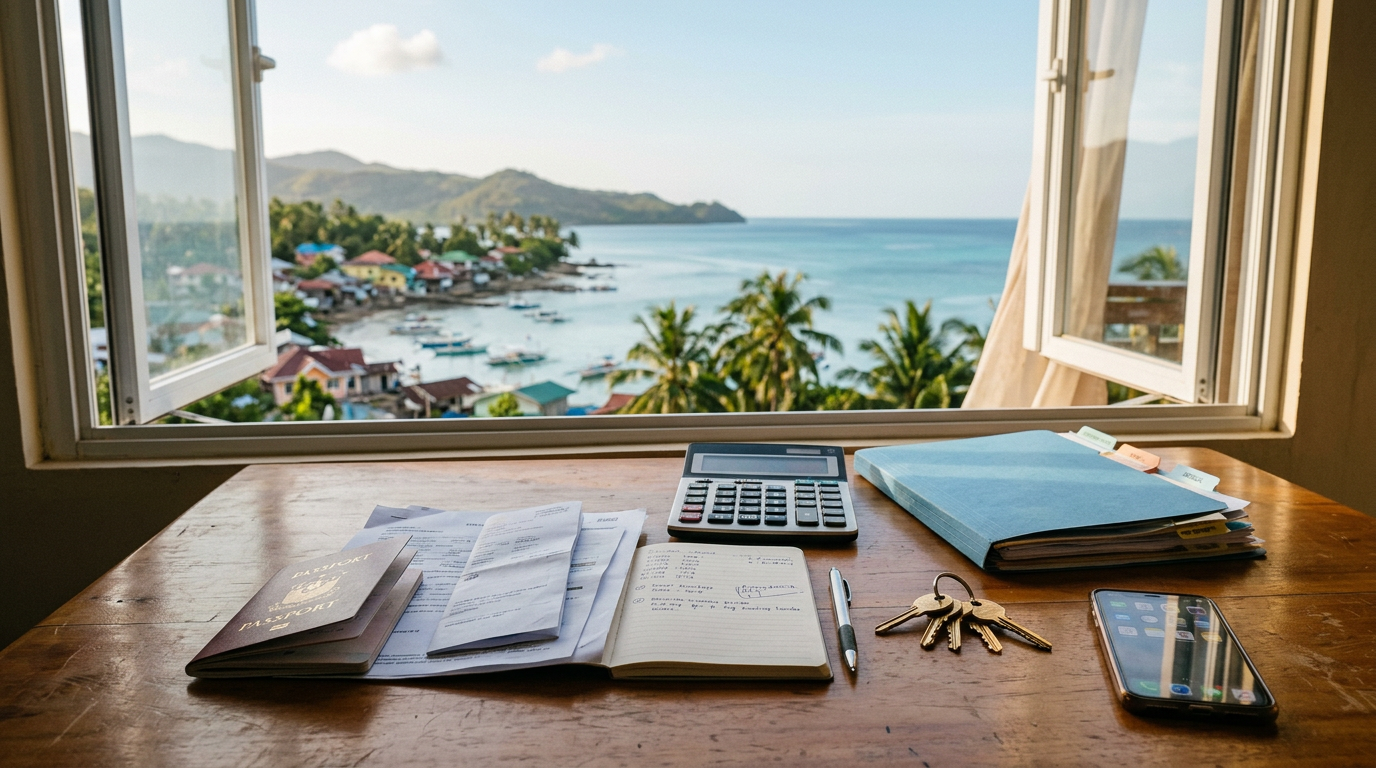
For many Americans, retiring in the Philippines represents freedom: lower everyday expenses, a different pace of life and the opportunity to start a new chapter. But a responsible retirement plan should answer a question that rarely appears in relocation brochures: What happens if you need to go back to the United States?
A family emergency, a change in health, an unexpected financial setback or simply a change of heart can turn an overseas retirement into a return-home decision. That decision becomes much harder if you have sold your American home, given up your car and allowed important U.S. accounts or coverage to lapse.
This guide is not an argument against retiring abroad. It is a practical plan for keeping the option to return, whether for two weeks, six months or the rest of your life.
Why Americans Return—and Why That Isn’t Failure
Some retirees return because a parent or adult child needs help. Others encounter a serious medical problem, rising expenses, relationship changes, visa complications or an unexpected sense of isolation. Some simply discover that the lifestyle they imagined does not suit them after a year of living it. None of those outcomes means the original move was a mistake. It means circumstances changed, and the retirement plan needs to change with them.
The important distinction is between an emergency trip and a permanent relocation. An emergency trip may require only airfare, temporary lodging and access to money. A permanent return can involve rebuilding nearly every part of daily life. Preparing for both scenarios gives you options before pressure forces a rushed decision.
1. Keep a Return Fund Separate From Your Philippine Living Budget
A retiree living comfortably on a Philippine budget may be surprised by the cost of restarting life in the United States. Last-minute airfare, temporary accommodation, transportation, insurance, rental deposits and basic household purchases can accumulate quickly.
Keep a reserve in an accessible account that can be used from either country. The right amount depends on your destination, health and support network. Rather than relying on a universal dollar figure, price a realistic scenario: an urgent flight, two to four weeks of lodging, transportation, healthcare costs and the deposit required to secure housing. If your plan assumes a relative will host you, discuss that expectation in advance.
2. Decide Where You Would Actually Go
“I’ll just move back to America” is not a destination plan. Would you return to the city you left, relocate near family or choose a lower-cost area? Each choice changes housing costs, transportation needs and access to medical care.
Identify at least one realistic landing place and a backup. Research short-term rentals, nearby hospitals, public transportation and the cost of a modest apartment. A location that was affordable before you retired may be considerably more expensive when you return.
3. Understand Medicare Before You Need It
Original Medicare generally provides very limited coverage outside the United States. But living abroad does not automatically remove the importance of Medicare enrollment decisions, particularly if you might return. Depending on your circumstances, delaying or ending certain coverage can create enrollment restrictions, late penalties or gaps in protection.
Review your own Part A and Part B status, any employer coverage, prescription-drug coverage and the rules that would apply upon return. Medicare Advantage and Medigap options have their own enrollment and eligibility requirements. Do not assume you can arrive in America and obtain every type of coverage immediately. Verify your situation with Medicare or a qualified benefits adviser well before you travel.
4. Plan for the Gap Between Arrival and Medical Coverage
Even when you are eligible for Medicare or another form of insurance, paperwork and effective dates matter. If you are not Medicare-eligible, your options may involve employer coverage, an Affordable Care Act marketplace plan, Medicaid where eligible, or other qualifying coverage. A permanent move to the United States may create a special enrollment opportunity, but deadlines and documentation requirements apply.
Keep a list of your medications, diagnoses, doctors and recent treatment, along with copies of records from Philippine providers. Check how to obtain an adequate supply of prescribed medicines for travel and the transition. For anyone with an ongoing medical condition, the healthcare transition deserves its own written plan.
5. Finding Housing May Be Harder Than You Remember
Returning retirees sometimes assume their U.S. credit history and old rental experience will make finding an apartment straightforward. Landlords may still ask for income verification, credit checks, references, deposits and proof of identity. If your only income is Social Security or retirement distributions, be ready to document it.
Consider whether you can afford temporary housing while you search. If you sold your former home, avoid treating a new home purchase as the first step unless you are certain about the location and long-term affordability. Renting first can preserve flexibility while you readjust.
6. Keep U.S. Banking, Credit and Communication Channels Usable
A functioning U.S. bank account, access to retirement funds, a valid credit card and reliable identity verification can make returning much easier. The same applies to a U.S. telephone number or other method accepted by financial institutions for security checks.
Before you move overseas, understand what your banks require from customers abroad, how replacement cards are delivered and how you would update your address on return. Our related guide, Moving to the Philippines? 15 Things You Still Need to Handle Back in America, covers the American administrative loose ends worth preserving.
7. Transportation Becomes a New Expense
Many Americans in the Philippines become accustomed to taxis, ride-hailing services, walking or living near shops. Returning to a car-dependent U.S. community may mean buying a vehicle, arranging insurance, renewing a driver’s license and paying for fuel, maintenance and registration.
Before choosing where to settle, calculate the transportation cost alongside rent. A seemingly inexpensive apartment far from services may not be inexpensive if it requires a car you had not budgeted for.
8. What Happens to Your Philippine Apartment and Possessions?
If you rent, review the lease for notice requirements, deposits, utilities and early termination. If you own property or have made major purchases, disposing of them may take time. Furniture, appliances and vehicles often sell for less than owners expect, especially when a quick departure is necessary.
Keep an inventory of valuable belongings and copies of leases, receipts and account information. If you must leave urgently, designate a trustworthy person who can help with lawful, clearly authorized tasks. Do not assume that a friend can automatically close accounts, sell property or act on your behalf.
9. Check Your Philippine Immigration and Exit Obligations
Before a permanent departure, confirm whether your visa or residency status creates any reporting, clearance, cancellation or other obligations. Requirements can depend on your immigration category and length of stay. Travelers may also face departure-related documentation or fees depending on their status.
Use current guidance from the Philippine Bureau of Immigration rather than relying on an old social-media post. If you hold a retirement visa or another special status, check with the agency that administers it before making irreversible arrangements.
10. Taxes Don’t End When You Cross the Pacific
U.S. citizens generally remain subject to federal tax filing rules while abroad. A move back may also change state tax obligations, healthcare-related tax considerations and the treatment of income earned or received during the transition year.
Keep records showing when you moved, where you lived and the sources of your income. If you have Philippine bank accounts, investments, property or business interests, obtain qualified cross-border tax advice before closing or transferring everything. State domicile questions are particularly fact-specific.
11. Social Security and Retirement Income Need a Review
Social Security benefits can generally continue for eligible U.S. citizens residing in the Philippines, subject to applicable rules, but your address, bank details and tax withholding arrangements may need updating when you return. Pension providers and investment firms may have their own procedures.
Do not make large retirement-account withdrawals simply to finance a move without considering taxes and long-term consequences. Compare the cost of a temporary transition with the cost of permanently increasing your monthly expenses in America.
12. Returning Alone Requires an Extra Layer of Planning
For a single retiree, a sudden return can be particularly difficult. There may be no spouse to handle calls, coordinate a move or help during a hospital stay. That makes trusted contacts, accessible funds and a written emergency plan especially valuable.
Identify who could meet you at the airport, help with temporary housing or communicate with providers if you are ill. Review powers of attorney and healthcare directives with qualified professionals so the people you trust have the authority they actually need. PLG’s guide to retiring in the Philippines alone explores these broader considerations.
13. Think About Family, Pets and Personal Relationships
If you have a spouse, partner, dependents or pets in the Philippines, a return may involve immigration, travel and documentation questions far beyond buying your own airline ticket. A non-U.S.-citizen spouse or partner does not automatically gain the right to relocate to the United States because you are returning.
Pet import rules and airline restrictions also vary by animal, route and destination. Start researching early if a family member or pet would accompany you. When another person’s immigration status is involved, use official U.S. government guidance and qualified advice.
14. Prepare for Reverse Culture Shock
People expect an adjustment when moving to the Philippines, but returning to America can also feel strange. Prices may be higher than you remember. Friends may have moved. Family routines may have changed. You may miss the slower pace, relationships or community you built overseas.
Give yourself permission to readjust. A temporary return does not have to become permanent immediately, and a permanent return does not mean you must recreate the exact life you left. Build a new routine around the circumstances you have now.
15. Make the Decision Before a Crisis Makes It for You
The strongest return plan is one you can explain in a few sentences: where you would go, how you would pay for it, who would help, how you would obtain medical care and what would happen to your obligations in the Philippines.
Review the plan once a year and whenever your health, finances or family situation changes. Keep emergency contacts, account access instructions and essential records in a secure place that you can reach while traveling.
Your Return-to-America Checklist
- Choose a realistic U.S. destination and one backup location.
- Price emergency airfare, temporary housing and a rental deposit.
- Keep a separate, accessible return fund.
- Review Medicare or other health-insurance eligibility and enrollment timing.
- Save current medical records and medication lists.
- Maintain access to U.S. banking, credit and identity verification.
- Check driver’s license and transportation options.
- Understand your Philippine lease, property and account obligations.
- Verify immigration and departure requirements for your status.
- Review cross-border federal and state tax consequences.
- Update Social Security, pension and investment contact information when needed.
- Identify trusted people who can assist in either country.
- Plan separately for any spouse, dependents or pets.
- Revisit the plan every year.
The Best Retirement Plan Gives You Choices
Most Americans who move to the Philippines hope to stay. Planning for a possible return does not make that hope less genuine. It makes the decision more resilient.
You do not need to keep an empty house in America or spend your retirement savings maintaining two complete households. You do need a realistic destination, enough accessible money to travel, a healthcare transition strategy and a way to manage the life you are leaving behind.
Retirement is not a promise that circumstances will never change. It is an opportunity to build a life with enough flexibility to respond when they do.
Disclaimer: This article is for general educational purposes and is not individualized financial, legal, tax, immigration, insurance or medical advice. Rules and eligibility requirements vary by jurisdiction, benefit program and personal circumstances. Verify current requirements with the appropriate agencies and qualified professionals before acting.
Leave a Reply