
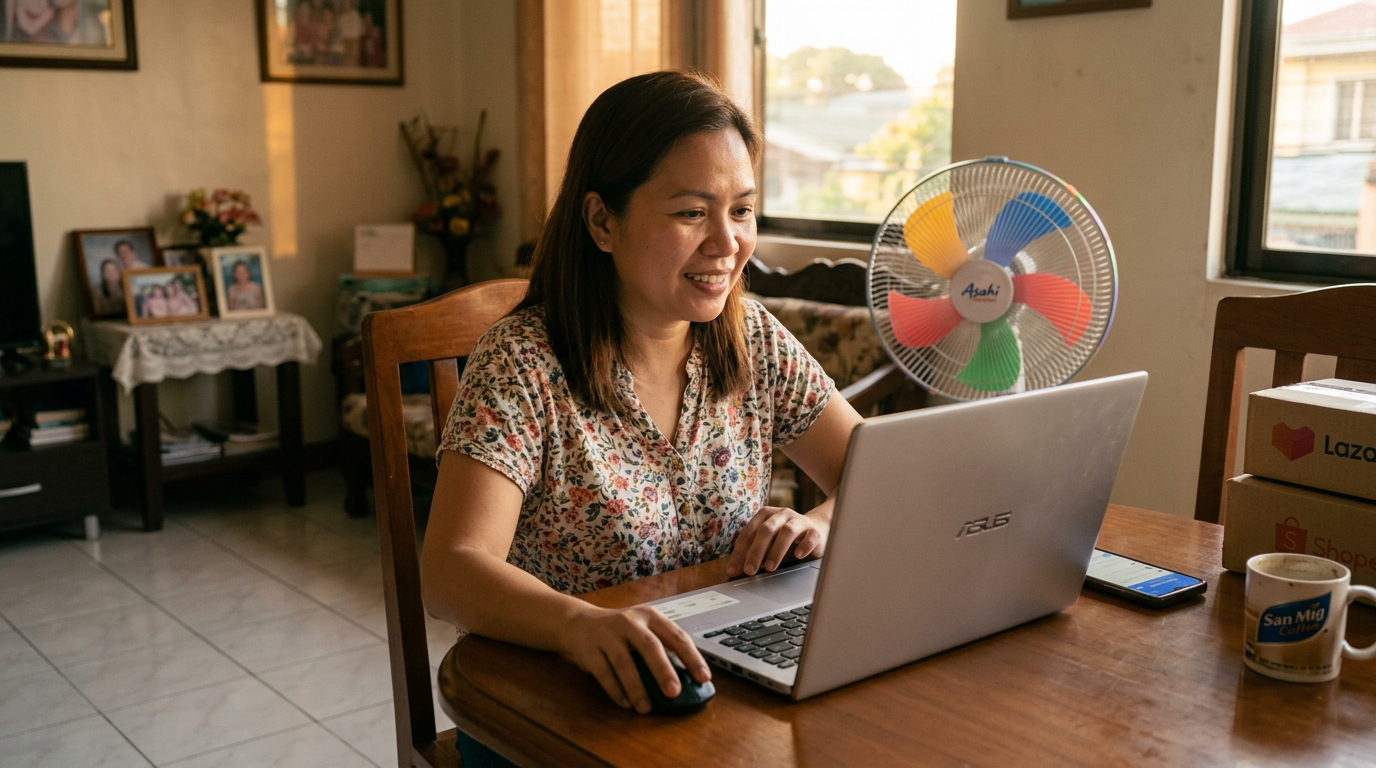
Moving to the Philippines changes more than your address. It changes how you replace a broken kitchen appliance, order groceries on a rainy afternoon, or find the particular brand of coffee you have bought for years. Fortunately, online shopping can make everyday life considerably easier. The trick is learning which services work in your neighborhood, which sellers deserve your trust, and how to handle an order when something goes wrong.
For American retirees and new expats, the Philippines offers a surprisingly broad online marketplace. Yet the experience is not exactly the same as shopping on Amazon in the United States. Deliveries depend on local couriers, addresses can be difficult to locate, imported items may take longer, and return policies vary by platform and product. This guide explains the practical side of buying online without turning every purchase into an experiment.
Where People Shop: Shopee, Lazada, and Local Stores
Two names come up quickly when you ask Filipinos where they shop online: Shopee and Lazada. Both offer extensive marketplaces for household supplies, clothing, electronics, small appliances, tools, pet products, and countless other items. They host different sellers, so a listing on a familiar platform is not automatically a guarantee of quality.
When comparing listings, look beyond the photograph and headline price. Check the seller’s track record, recent reviews with real customer photos, product specifications, warranty terms, shipping origin, and total price at checkout. A very cheap item with an unusually long delivery estimate may be shipped from overseas. That is not necessarily a problem, but it matters if you need the item this week.
Official brand stores and established retailers can be especially useful for electronics, appliances, skincare, and other items where authenticity matters. Verify that a store is genuinely operated or authorized by the brand rather than relying only on a logo in the product photo. Some retailers also sell directly through their own websites, which can be a good alternative when you want local after-sales support.
Ordering Groceries Without Going to the Supermarket
Grocery delivery is one of the conveniences that can make retirement easier, especially if you do not own a car, have difficulty carrying heavy bags, or prefer not to shop during hot or rainy weather. Services such as Grab through its Mart offerings and foodpanda shops connect customers with participating stores. Availability depends on the delivery address and participating merchants, so check the app rather than assuming the same selection exists in every city.
These services are particularly useful for bottled water, cleaning supplies, toiletries, snacks, and last-minute ingredients. A full weekly grocery order may require more comparison. Store prices, service charges, delivery fees, small-order charges, and substitutions can change the final bill. Fresh produce and meat also deserve special attention because someone else is choosing the items for you.
Before confirming an order, review quantities carefully. A listing may refer to a single piece rather than a kilogram, or a small package rather than the size you normally buy. If the app permits notes or substitution preferences, use them. When the delivery arrives, check that refrigerated items are still cold and that the quantities match your receipt.
Online grocery shopping is convenient, but traditional markets and nearby supermarkets remain useful. Many retirees find that a combination works best: buy fresh produce locally, order bulky household essentials online, and use delivery apps when weather or transportation makes an ordinary shopping trip inconvenient.
How Deliveries Actually Work
Delivery reliability can depend as much on your address as on the seller. A condominium with a staffed lobby is often straightforward. A home along a small road or in a barangay without clearly marked house numbers may require additional directions. Put your complete address in the app, include your barangay and a recognizable landmark when appropriate, and keep your phone available on delivery day.
Couriers sometimes call or message to confirm your location. If you are not fluent in the local language, a short, simple message can help: “I am at the blue gate beside the pharmacy” or “Please leave the parcel with the lobby guard if allowed.” Ask your building about its package policy before you order. Some buildings accept parcels at reception, while others require residents to meet the rider.
Tracking updates are useful, but treat delivery estimates as estimates rather than appointments. Weather, holidays, ferry connections, and distance from distribution hubs can affect timing. Orders to smaller islands or provincial towns may take longer than deliveries within Metro Manila or Cebu. If something is urgently needed, a nearby store may still be the better choice.
For expensive purchases, inspect the exterior of the parcel before accepting it where the service rules permit. Record the unboxing of higher-value or fragile items in one continuous video if practical, and keep the packaging until you are satisfied the product works. That documentation can help when you need to explain damage or missing components.
Paying Online: Cards, E-Wallets, and Cash on Delivery
Philippine platforms commonly offer a selection of payment methods, which can include credit or debit cards, local e-wallets, online banking, and cash on delivery (COD). The exact options depend on the platform, seller, product, and location. Shopee’s published terms, for example, describe card payments, COD, and other supported payment channels. Check the options shown for your particular order rather than assuming every method is available.
For newcomers, cash on delivery can feel reassuring because you do not pay before the parcel arrives. But COD is not a substitute for checking the seller. Fraudsters may send unsolicited COD packages, hoping someone in the household will pay without checking the order history. Tell family members, helpers, or lobby staff not to pay for unexpected parcels.
Digital payments can make refunds and recordkeeping easier, but protect your accounts. Use a strong unique password, enable available account security features, and never share a one-time password or banking PIN with a seller or courier. Do not send money directly to a personal account because someone in a chat claims it will speed up shipment or unlock a discount. Keep payment and dispute communication inside the platform whenever possible.
If you rely on a U.S. credit card, check whether it works with the checkout system and whether your issuer charges foreign transaction fees. Your card may also require a verification text or app approval. Keeping your American banking access working is part of settling abroad; our guide to keeping U.S. credit cards after moving covers related considerations.
Avoiding Counterfeits, Misleading Listings, and Common Scams
Online marketplaces make it easy for honest small businesses to reach customers, but they also create opportunities for misleading listings and counterfeit goods. A product advertised at a fraction of the normal price deserves extra scrutiny, especially when it is branded electronics, supplements, cosmetics, or replacement parts. Read the lowest-rated recent reviews, not only the glowing ones. Look for consistent complaints about size, authenticity, missing accessories, or a product that fails shortly after delivery.
Be cautious when a listing uses official-looking logos without clear proof of authorization. For products that affect your health or safety, buy through reputable licensed channels rather than gambling on an anonymous listing. Our prescription medication guide explains why medication sourcing deserves particular care.
Another warning sign is a message asking you to move the transaction to a messaging app or pay an extra courier fee through an unfamiliar link. Shopee’s safety guidance specifically warns against off-platform payment requests and parcel-fee scams. If a message seems suspicious, open the shopping app yourself and check the order there instead of clicking the message link.
The Philippine Department of Trade and Industry recommends verifying sellers, checking reviews and return policies, and protecting confidential information. Its e-commerce consumer guidance is worth bookmarking. A little skepticism before checkout is usually much easier than trying to recover money afterward.
Returns and Refunds: What to Do When the Item Is Wrong
Returns are possible, but the process may feel different from the no-questions-asked returns some American shoppers are accustomed to. Rules depend on the marketplace, the type of seller, the product category, and the reason for returning the item. Some products are excluded from certain return options. Never assume that a purchase has a universal 30-day return window.
Shopee’s published refund and return policy distinguishes between ordinary or preferred sellers and Mall sellers, with different time limits for certain delivered-item claims. Those rules can change, so check the current return window displayed in your order. Other platforms have their own procedures. The safest approach is to inspect purchases promptly rather than letting an unopened package sit for weeks.
If you receive a damaged, incomplete, defective, or incorrect item, photograph the parcel, shipping label, contents, and the problem. Open the order in the app and use its official return or refund workflow. Describe the issue clearly and attach the requested evidence. Keep the item, accessories, and original packaging until the claim is resolved. Follow the app’s instructions for pickup, drop-off, or shipping rather than arranging a private return with an unknown seller.
Philippine law also provides consumer remedies. Under the Internet Transactions Act, qualifying online consumers may seek remedies such as repair, replacement, or refund for defective or nonconforming goods. That does not mean every buyer can return every product for any reason. Platform policies and applicable law both matter.
If a legitimate complaint cannot be resolved with the seller or platform, the DTI Consumer Care portal provides a formal complaint route. Save your receipt, screenshots of the listing, order history, messages, and refund decision before filing.
Shopping Outside the Major Cities
One of the biggest surprises for new expats is how much online shopping varies by location. In a large urban center, you may have several grocery delivery services, same-day options for certain items, and plenty of nearby pickup points. In a smaller town, a marketplace may still deliver household goods while grocery apps show only a handful of stores—or none at all.
Before choosing a long-term home, test your prospective address in the apps you expect to use. Search for a few ordinary purchases: laundry detergent, a replacement phone charger, pet food, and groceries. Note which sellers ship there, the quoted delivery charges, and the estimated arrival windows. This simple exercise reveals a part of daily convenience that real-estate listings rarely mention.
For island locations, remember that weather and ferry operations can influence the final leg of delivery. Keep a small reserve of necessities rather than relying on overnight shipping. Our articles on city convenience versus island life and living without a car can help you weigh these tradeoffs.
A Smart First-Month Shopping Strategy
When you first arrive, resist the temptation to furnish an entire apartment through online listings in one weekend. Start with inexpensive, low-risk orders so you can learn how delivery works at your address. A few cleaning supplies, storage containers, or basic kitchen accessories can tell you whether your address instructions are clear and how your chosen platform handles tracking.
For larger purchases, compare the delivered price with a local appliance or furniture store. Ask who handles warranty service, whether installation is included, and how a defective item would be returned. A slightly higher price from a local retailer may be worthwhile when a refrigerator, washing machine, or air conditioner needs repair. For guidance on what to inspect before settling in, see our first-apartment checklist.
Maintain a simple record of major orders: item, seller, total cost, order date, warranty information, and return deadline. Review delivery fees and impulse purchases at the end of the month. Discounts and free-shipping promotions can be useful, but they are not savings if they encourage you to buy things you did not need.
Frequently Asked Questions
Can I use American credit cards to shop online in the Philippines?
Some Philippine shopping platforms accept international cards, but acceptance varies and banks may require additional verification. Check the payment options at checkout and ask your card issuer about foreign transaction fees.
Is cash on delivery safer?
COD avoids prepaying for an order, but it does not eliminate scams. Verify that the parcel matches an order you actually placed and never pay for an unexpected package.
Can I order groceries in a provincial city?
Possibly. Availability depends on the address and local merchants. Enter the exact delivery address in Grab, foodpanda, or a retailer’s app to see what is offered.
What should I do if my package never arrives?
Check the order status and tracking inside the platform, contact official support, and use the platform’s non-delivery or refund procedure within its stated deadline. Keep screenshots and order records.
Should I buy expensive electronics from marketplace sellers?
Compare authorized sellers and local retailers first. Confirm warranty coverage, authenticity, return rules, and the process for repairs before paying.
The Bottom Line
Online shopping can make living in the Philippines much more comfortable. It can save a long trip across town, help you find hard-to-locate household items, and reduce the need to carry heavy groceries home. But convenience depends on a few habits: compare the full cost, choose sellers carefully, keep transactions on-platform, inspect deliveries promptly, and understand the return rules before you buy.
Once you learn which services work reliably at your address, online shopping becomes another useful tool for building a practical, enjoyable life in the Philippines—not something you need to worry about every time you click “Place Order.”
Disclaimer: This article is for general information and is not legal, financial, or consumer-rights advice. Platform availability, payment options, shipping times, and return policies may change. Check current terms and official Philippine government guidance before making a purchase or filing a complaint.
Leave a Reply